“Biophilia is the passionate love of life and of all that is alive;”
Florence Williams
Have you ever noticed how we feel better in certain environments and after certain experiences, even after not consciously doing something to stir these feelings? I had this exact experience after having the opportunity to travel around Europe for a short period of time after COVID. Despite the exhausting heat, long walks, and heaps of gelato, I still felt healthier and happier than I had in a long, long time. There wasn’t a seemingly logical reason for me to feel so energized and content at the time.
I had an inkling that this may have been due to my surroundings. The whole trip, I would constantly marvel at the different urban design that cities in Europe would have in comparison to the masses of highways and straggling trees in the U.S.
I found myself fascinated by the effect my environment had on me. After doing some digging online (of which I went through quite a deep rabbit hole), I found a concept that particularly stood out: biophilia. I found the idea to capture everything that I had previously been searching for. It served as a kind of answer to the questions I was juggling with.
Biophilia and Biophilic Design
Biophilia itself is the hypothesis that humans have an innate tendency for and connection with nature. (Biophilia is still a relatively under-researched and growing topic of discussion, so there are only a few theories of science to back it up. One notable theory is that it may emanate from the Biological Attraction Principle.)
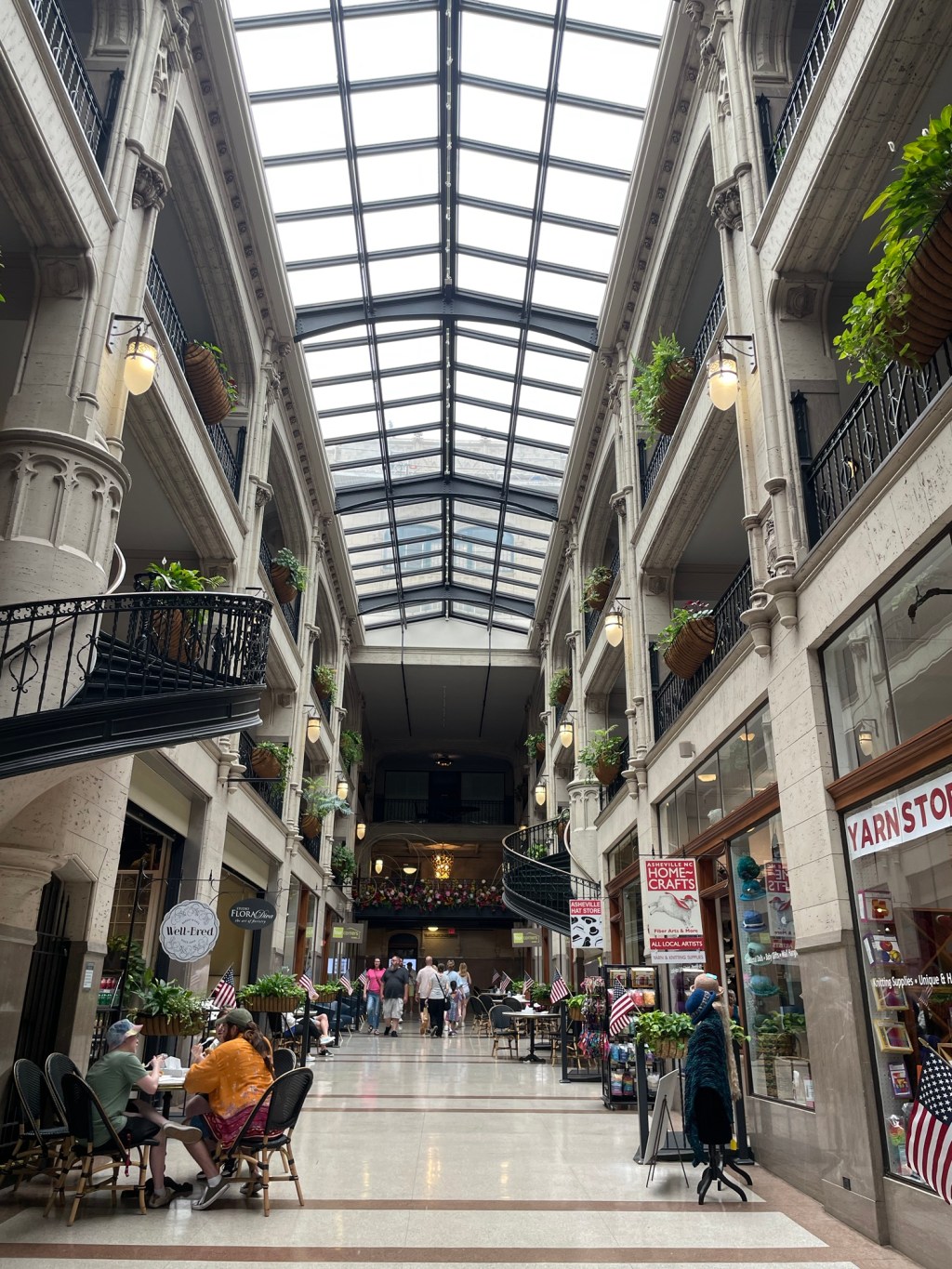
Biophilic design takes this understanding of the human body and translates it into the built environment. It comes in several different forms, but is really just having any sort of contact or immersion with nature. In my previous post, I mentioned briefly how nature has benefits, and in case you missed it, check out my other website that details the benefits of nature on our lives. This is also stated in my about me, but just to reiterate and emphasize this, biophilia and biophilic design elements have the capability to lower stress, anxiety, and depression levels, lower childhood asthma and crime rates, and boost overall mood, happiness, test scores, and cognitive performance.
Due to its vast benefits yet unfulfilled recognition, I hope to further explore and share the wonders of biophilia, specifically it’s applications in biophilic design, which I will detail in my next post. Despite the piping hot weather, I encourage you all to take a step away from your devices, go outside, and enjoy the nature outside. It’s only human, after all.
 Flourish
Leave a comment